Before you go
Check the Moon’s phase and when it is above your horizon. A partly lit Moon is a useful place to start. NASA’s Daily Moon Guide shows features to look for.
Find the edge of daylight
Locate the boundary between the bright and dark sides. Astronomers call it the terminator. Start with unaided eyes and switch to binoculars once you can find it consistently.
Compare two patches
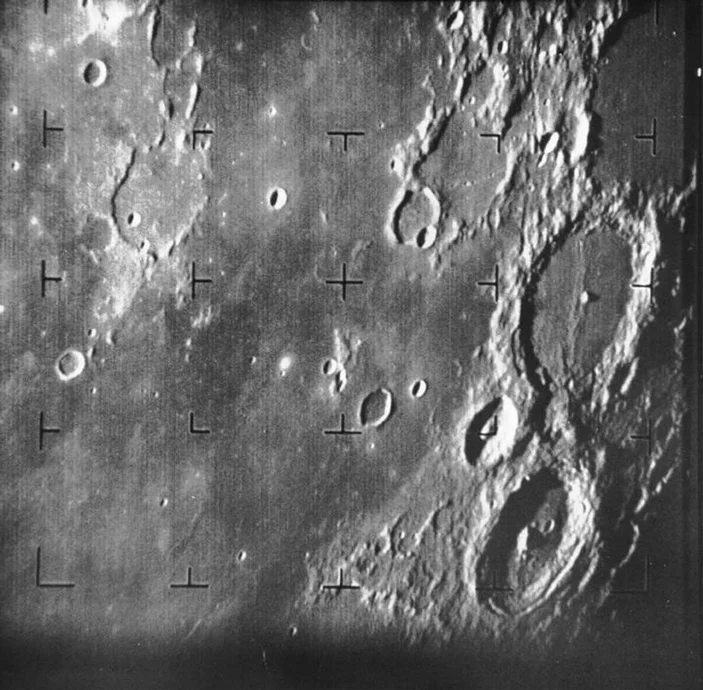
Find a smooth, darker plain and then a brighter, rougher area. The darker plains are cooled lava. Look for a crater rim or mountain casting a shadow near the terminator.
Make a sketch
Draw the bright outline and the edge of the dark side. Mark one feature you can recognize. Return another evening and see which shadows moved.
In your notebook
Which details were easier to see near the terminator than farther into the bright side?
Open the printable field sheet