Before you go
Use a sky chart for your location and time to check which planet is above the horizon in darkness. Pick one target for the evening.
Start with the widest view
Find your target by eye. With a telescope, use a low-power eyepiece first. A wider field makes the planet easier to locate and keep in view.
Look just beside Jupiter
In steady binoculars, look for small points in a line close to the planet. Some of Jupiter’s four bright moons can appear there. Which ones are visible changes as they orbit.
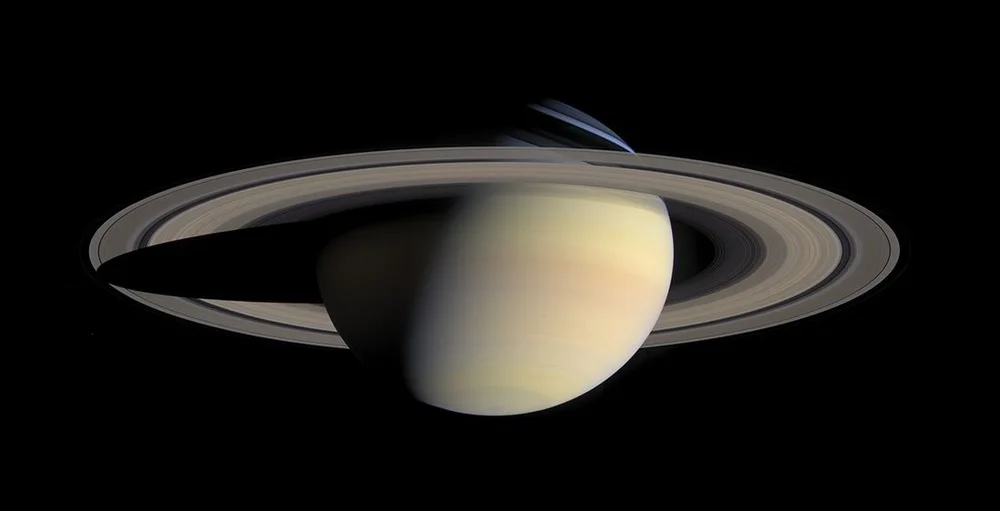
Compare Saturn in a telescope
A telescope can separate Saturn’s rings from its globe. Try a higher power only after centering the image. If detail flickers in and out, give the air a moment to settle.
In your notebook
If you spotted moons beside Jupiter, sketch their positions and compare with a later observation.
Open the printable field sheet